 Store Locator

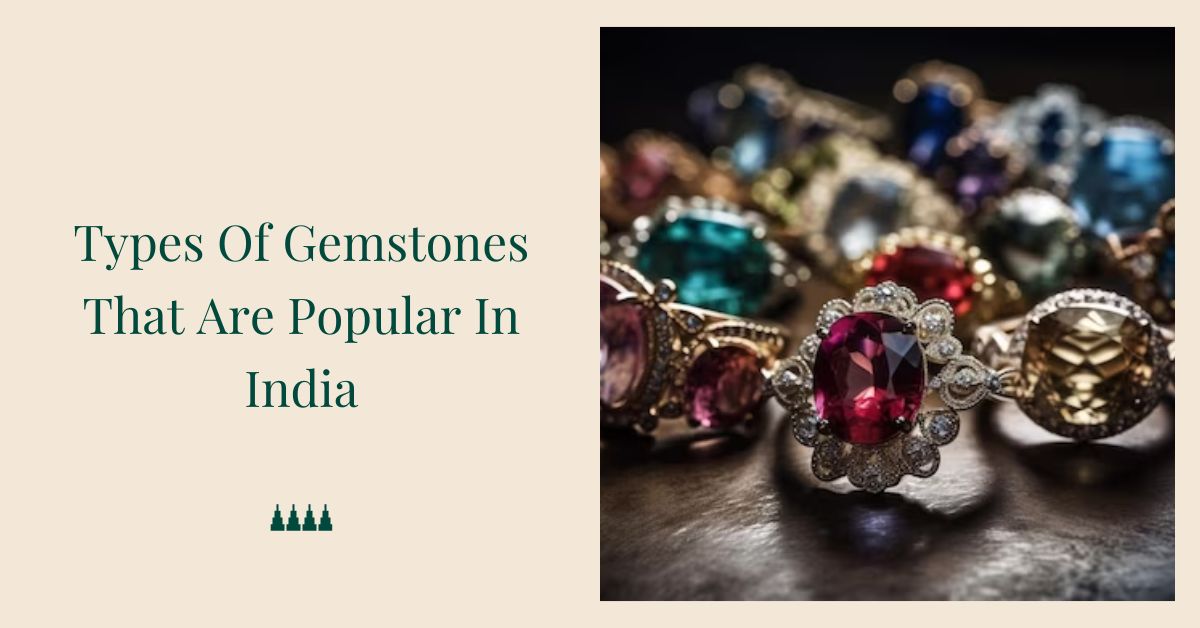
Gemstones have fascinated people for thousands of years, from the deep red of a ruby to the cool blue of a sapphire. But when most people search for types of gemstones, they are usually looking for something practical. They want to know the different gemstone names, which stones are considered precious, what the Navaratna gems are, or simply which stone they should wear.
This guide brings all of that together in one place. We cover the major types of gemstones, a complete list of gemstone names, the nine Navaratna stones and their meanings, how to identify real gemstones, and how to choose the right one for you.
What Are Gemstones
A gemstone is a mineral, rock or organic material that is cut and polished to be used in jewellery. What separates a gemstone from an ordinary stone is a combination of beauty, durability and rarity. Some gemstones, such as pearl and red coral, are organic in origin rather than mineral, formed by living organisms rather than geological processes.
Gemstones are generally classified by their chemical composition, hardness and origin. Hardness is measured on the Mohs scale, where diamond sits at the very top with a rating of 10, making it the hardest known natural material.
Types of Gemstones
Gemstones are broadly divided into two categories.
Precious Stones
Precious stones are the rarest and most valuable gemstones. Traditionally, only four stones fall into this category, diamond, ruby, emerald and sapphire. Their rarity, hardness and enduring demand have kept them at the top of the gemstone hierarchy for centuries.
Semi Precious Stones
Every other gemstone, including pearl, red coral, hessonite, cat’s eye, amethyst, topaz, garnet and turquoise, is classified as semi precious. This does not mean they are less beautiful or less meaningful. Many semi precious stones, such as pearl and cat’s eye, hold significant cultural and astrological value in India despite falling outside the traditional precious stone category.
In recent years, the strict precious versus semi precious divide has become less important in the jewellery trade, with stones increasingly valued on their individual rarity, colour and quality rather than this older classification.
Complete List of Gemstone Names
Here is a quick reference list of common gemstone names, useful if you are trying to identify or look up a specific stone.
| Gemstone Name | Common Colour | Category |
|---|---|---|
| Diamond | Colourless, occasionally fancy colours | Precious |
| Ruby | Red | Precious |
| Emerald | Green | Precious |
| Sapphire (Blue) | Blue | Precious |
| Sapphire (Yellow) | Yellow | Precious |
| Pearl | White, cream, pink | Semi precious, organic |
| Red Coral | Red, orange | Semi precious, organic |
| Cat’s Eye | Yellow green with a chatoyant band | Semi precious |
| Hessonite | Orange brown | Semi precious |
| Amethyst | Purple | Semi precious |
| Topaz | Yellow, blue, pink | Semi precious |
| Garnet | Deep red | Semi precious |
| Turquoise | Blue green | Semi precious |
| Aquamarine | Pale blue | Semi precious |
| Citrine | Golden yellow | Semi precious |
The 9 Navaratna Gemstones in India
Among the many types of gemstones, one group holds a particularly special place in Indian culture, the Navaratna. Navaratna literally means nine gems, and each stone in this set is believed to represent one of the nine celestial bodies in Vedic astrology.
Together, ruby, pearl, emerald, diamond, red coral, cat’s eye, hessonite, blue sapphire and yellow sapphire are said to bring balance and harmony when worn together in Navaratna jewellery.
1. Ruby (Manikam), representing the Sun
Ruby is often called the king of gemstones. Its deep red colour is associated with passion, vitality and courage, and it is believed to bring confidence and protection to the wearer.
2. Pearl (Muthu), representing the Moon
Pearls are formed within oysters and are valued for their soft lustre. They are associated with purity, calmness and emotional balance.
3. Emerald (Maragatham), representing Mercury
Emerald’s green colour is linked to growth, communication and mental clarity. It is often chosen by those seeking better focus and balance in decision making.
4. Diamond (Vairam), representing Venus
Diamond is the hardest natural gemstone and is associated with strength, love and prosperity. In Navaratna jewellery, it represents Venus, the planet linked to relationships and beauty.
5. Red Coral (Moonga), representing Mars
Red coral is an organic gemstone formed from marine coral. It is associated with vitality, courage and protection from negative energy.
6. Cat’s Eye (Vaiduryam), representing Ketu
Cat’s eye gets its name from the band of light that moves across the stone, resembling the eye of a cat. It is worn for protection and is believed to enhance intuition.
7. Hessonite (Gomedhikam), representing Rahu
Hessonite has a warm orange brown colour and is associated with clarity of thought and overcoming confusion or fear.
8. Blue Sapphire (Neelam), representing Saturn
Blue sapphire is associated with discipline, wisdom and focus. It is considered one of the most powerful yet unpredictable stones in Vedic astrology and is generally recommended only after consultation.
9. Yellow Sapphire (Pukhraj), representing Jupiter
Yellow sapphire is linked to prosperity, wisdom and good fortune. It is one of the most commonly recommended stones for career and financial growth in Vedic astrology.
Vairam, Vaiduryam and Other Tamil Gemstone Names Explained
If you have searched for vairam in english, the answer is diamond. Vairam is the Tamil name for diamond and is one of the most searched gemstone terms from South India.
Vairam is often confused with vaiduryam, but the two refer to different stones. Vaiduryam is the Tamil name for cat’s eye, not diamond. The similarity in spelling and pronunciation is the main reason these two get mixed up, so it helps to remember that vairam sits with Venus and diamond, while vaiduryam sits with Ketu and cat’s eye.
Other common Tamil gemstone names include manikam for ruby, muthu for pearl, maragatham for emerald, moonga for red coral, gomedhikam for hessonite, neelam for blue sapphire and pukhraj for yellow sapphire.
Which Gemstone Should You Wear
One of the most common questions people ask is which stone should I wear. In Vedic astrology, the answer typically depends on your birth chart, particularly your ascendant sign and the position of specific planets at the time of your birth. A stone linked to a strong or favourable planet in your chart is generally recommended, while a stone linked to a weak or challenging planet may be advised only after consultation with an astrologer.
Because gemstones like blue sapphire and hessonite can have a strong and unpredictable effect according to belief, they are usually not recommended without proper astrological guidance. Lighter, generally well regarded stones such as pearl, yellow sapphire and emerald are more commonly worn without extensive consultation.
If you are simply choosing a gemstone for its beauty rather than for astrological reasons, personal preference, skin tone and the occasion matter more than any planetary association.
Birthstones by Month
Alongside Navaratna, many people also look for their birthstone based on their month of birth, a tradition that originated in the West but is widely followed in India today.
| Month | Birthstone |
|---|---|
| January | Garnet |
| February | Amethyst |
| March | Aquamarine |
| April | Diamond |
| May | Emerald |
| June | Pearl |
| July | Ruby |
| August | Peridot |
| September | Blue Sapphire |
| October | Opal |
| November | Citrine or Topaz |
| December | Turquoise or Blue Topaz |
Birthstones are chosen based on Western astrological tradition and differ from the planetary gemstone recommendations used in Vedic astrology, so it is common for a person’s birthstone and their recommended Navaratna gemstone to be different.
How to Identify Real Gemstones
With genuine concern around real gemstones and real gemstone jewellery, it helps to know a few basic signs of authenticity.
Ask for certification
A genuine gemstone of any significant value should come with a certification from a recognised gemological laboratory, confirming its origin and authenticity.
Check for consistency in colour and inclusions
Natural gemstones often have minor inclusions or slight variations in colour. A stone that looks unnaturally perfect and flawless, especially at a low price, is worth examining more closely.
Buy from a trusted jeweller
Purchasing from an established and reputable jeweller significantly reduces the risk of buying a synthetic or treated stone misrepresented as natural.
Be cautious of prices that seem too low
Genuine precious stones like ruby, emerald and sapphire command a certain price range based on their rarity and quality. A price significantly below market rate is often a sign that the stone is synthetic, heavily treated or not what it claims to be.
Popular Gemstone Jewellery Types
Gemstones are used across a wide range of jewellery styles, and how a stone is set often depends on the occasion it is meant for.
- Navaratna rings and pendants, worn for their astrological significance
- Ruby and emerald studded necklaces, popular for weddings and festive occasions
- Pearl strand necklaces, valued for their understated elegance
- Sapphire and diamond cocktail rings, worn for parties and special events
- Coral and turquoise jewellery, often seen in traditional and ethnic designs
Why Choose VBJ for Gemstone Jewellery
Vummidi Bangaru Jewellers offers a wide selection of gemstone jewellery, including certified Navaratna collections, ruby, emerald and sapphire pieces, and custom designed gemstone jewellery tailored to your preferences. Every gemstone is sourced with authenticity in mind, so you can shop with confidence whether you are buying for astrological reasons or simply for their natural beauty.
Conclusion
From the four classic precious stones to the culturally significant Navaratna gems, understanding the different types of gemstones makes it much easier to choose jewellery that suits both your style and your beliefs. Whether you are drawn to the fiery brilliance of ruby, the calm elegance of pearl, or the complete set of nine Navaratna stones, each gemstone carries its own story and meaning.
Explore VBJ’s gemstone and Navaratna collections to find a piece that reflects both timeless beauty and personal significance.
FAQs
What are the most popular gemstones in India?
The most popular gemstones in India include ruby, emerald, blue sapphire, pearl, red coral, yellow sapphire, diamond, hessonite and cat’s eye, largely due to their role in Navaratna jewellery and Vedic astrology.
What is vairam in english?
Vairam is the Tamil word for diamond. It represents the planet Venus in Navaratna astrology.
What is the difference between vairam and vaiduryam?
Vairam refers to diamond, associated with Venus, while vaiduryam refers to cat’s eye, associated with Ketu. The two words sound similar but refer to completely different gemstones.
Which gemstone is best to wear?
The best gemstone to wear generally depends on your birth chart in Vedic astrology. Stones linked to favourable planets in your chart are typically recommended, while stones like blue sapphire and hessonite are usually suggested only after consultation with an astrologer.
Are gemstones from India real?
Reputable Indian jewellers sell certified, natural gemstones, but authenticity always depends on the seller. Buying from an established jeweller and checking for proper certification is the most reliable way to confirm a gemstone is real.
What is the difference between precious and semi precious stones?
Precious stones traditionally include only diamond, ruby, emerald and sapphire, based on their rarity and hardness. All other gemstones, including pearl, red coral and hessonite, are classified as semi precious, though this distinction has become less rigid in modern jewellery.
What is Navaratna jewellery?
Navaratna jewellery features nine gemstones, ruby, pearl, emerald, diamond, red coral, cat’s eye, hessonite, blue sapphire and yellow sapphire, set together in a single piece. Each stone represents a planet in Vedic astrology, and the combination is believed to bring balance and harmony to the wearer.
How is a birthstone different from a Navaratna gemstone?
A birthstone is assigned based on your month of birth according to Western tradition, while a Navaratna or astrological gemstone is recommended based on your birth chart and planetary positions in Vedic astrology. The two systems are independent, so your birthstone and your recommended astrological gemstone may not be the same.

0 Comments