 Store Locator


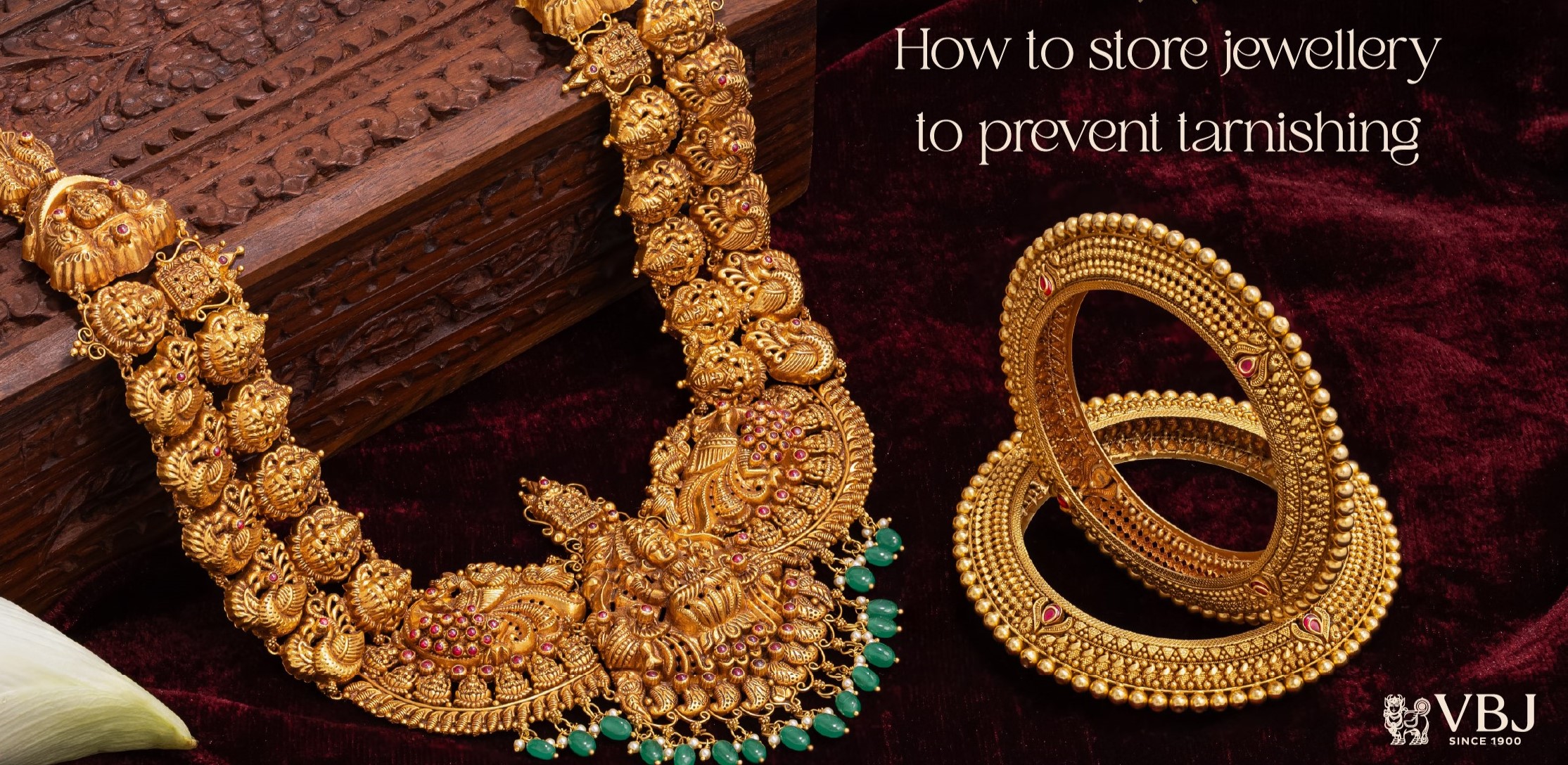
A favourite piece of jewellery often carries more than monetary value. It might be a gold chain worn every day, a pair of earrings chosen for a special occasion, a silver heirloom passed down through generations or a necklace saved for family celebrations. Keeping these pieces looking their best begins with understanding how to care for them when they are not being worn.
Over time, some jewellery may develop a dull appearance, dark patches or changes in colour. These changes can result from tarnishing, surface residue, exposure to moisture, scratches or wear to a plated finish. The causes vary depending on the metal, the construction of the piece and how it is stored.
The good news is that a few simple habits can help protect your collection. Knowing how to store jewellery to prevent tarnishing, keeping individual pieces separate and choosing the right storage environment can make a meaningful difference to their long-term appearance.
Whether you own gold, silver, diamond or gemstone jewellery, this guide explains what causes tarnishing, how to store different types of jewellery and what you can do to maintain their beauty over time.
What Is Jewellery Tarnishing?
Tarnishing is a chemical reaction that changes the appearance of a metal’s surface. It can cause jewellery to look dull, discoloured or darkened, depending on the material and the substances it comes into contact with.
Silver is particularly susceptible to tarnishing when exposed to sulphur-containing compounds in the air. Moisture, perspiration, cosmetics and certain chemicals can also contribute to changes in a jewellery piece’s appearance.
Gold behaves differently. Pure gold is highly resistant to tarnishing, but jewellery is often made using gold alloys that contain other metals to achieve the desired strength, colour and durability. Depending on their composition, these alloys may react differently to environmental exposure. Gold-plated jewellery can also lose its finish through wear, revealing the underlying metal.
It is important to distinguish tarnishing from other forms of discolouration. A piece may look dull because of accumulated lotion or dirt, while scratches can affect its shine without being tarnish. If the gold-coloured finish has worn away, cleaning alone may not restore the original appearance.
Understanding the material you own is the first step towards choosing the right care routine.
Why Does Jewellery Tarnish or Lose Its Shine?
Several everyday factors can affect the appearance of jewellery. Identifying them can help you make better decisions about wearing, cleaning and storing your pieces.
1. Exposure to Air and Moisture
Some metals react with substances present in the surrounding environment. Silver, for example, can develop a dark surface layer through reactions with sulphur-containing compounds.
Humidity can accelerate certain surface reactions, making damp storage spaces particularly unsuitable for jewellery. Bathrooms, areas near open windows and poorly ventilated cupboards may expose pieces to fluctuating moisture levels.
Storing jewellery in a clean, dry environment helps limit these risks.
2. Contact with Perfume and Cosmetics
Perfume, moisturisers, sunscreen, hairspray and makeup can leave residues on jewellery. Depending on the ingredients and the jewellery’s materials, these products may contribute to dullness, discolouration or wear to a plated finish.
A useful habit is to apply your skincare products, perfume and makeup before putting on jewellery. After wearing your pieces, wipe them gently with an appropriate soft cloth before returning them to storage.
3. Perspiration and Everyday Wear
Sweat contains moisture and salts that can affect certain metals and finishes. Jewellery worn during exercise or in hot, humid conditions may accumulate perspiration and residue more quickly.
Remove jewellery before workouts and other activities that involve heavy sweating. Clean and dry each piece appropriately before storing it.
4. Improper Storage
Jewellery stored loosely in a drawer can become tangled, scratched or damaged. Chains may knot, gemstones may rub against other pieces, and delicate clasps can become bent.
Although scratches are not the same as tarnishing, they can reduce a piece’s lustre and affect its appearance. Keeping jewellery separate and protected helps prevent this type of damage.
5. Chemical Exposure
Household cleaners, bleach, chlorine and other strong chemicals can affect certain metals, gemstones and jewellery finishes. Exposure can cause discolouration or damage that cannot always be reversed with routine cleaning.
Remove jewellery before swimming, cleaning the house or handling strong chemicals, and follow the care instructions appropriate to each piece.
How to Store Jewellery to Prevent Tarnishing
The most effective jewellery storage routine combines a suitable environment with individual protection for each piece. These steps can help reduce exposure to moisture, limit scratches and keep your collection organised.
1. Store Jewellery in a Cool, Dry Place
Choose a storage location away from excessive humidity, direct sunlight and extreme temperature changes.
A bedroom drawer, dressing-table organiser or dedicated jewellery cabinet can work well if the area stays dry and clean. Avoid storing jewellery in the bathroom, where steam and moisture can build up during daily use.
In humid climates, it is particularly important to ensure that jewellery is completely dry before putting it away.
2. Keep Each Piece Separate
One of the simplest ways of protecting jewellery is to give every piece its own storage space.
Use a lined jewellery box with individual compartments, soft pouches or suitable jewellery organisers. This prevents metal surfaces from rubbing together and reduces the likelihood of scratches, tangled chains and damaged settings.
Separate storage is especially useful for pieces featuring diamonds or other hard gemstones, which can scratch softer materials or delicate finishes.
3. Use Anti-Tarnish Pouches for Suitable Pieces
Anti-tarnish pouches and specially designed storage materials can help slow tarnishing by limiting exposure to certain tarnish-causing substances.
They are particularly useful for silver jewellery. Choose products intended for the metal and finish you are storing, and follow the manufacturer’s instructions.
For additional protection, some people use clean, dry, sealable bags suitable for jewellery storage. Make sure the jewellery is completely dry before sealing it inside, as trapped moisture can create problems rather than prevent them.
4. Keep Chains Fastened Before Storing
Necklaces and delicate chains can easily become tangled when placed loosely in a jewellery box. Untangling them may place unnecessary strain on the links or clasps.
Fasten the clasp before storing a chain, then place it in an individual compartment or pouch. For particularly delicate chains, use a necklace organiser that keeps each piece separated.
This simple step helps preserve the chain’s structure and makes it easier to find the piece you want to wear.
5. Wipe Jewellery Before Putting It Away
After wearing jewellery, gently wipe it with a clean, soft cloth appropriate for its material. This can help remove perspiration, fingerprints, natural skin oils and cosmetic residue.
Avoid using rough fabrics or abrasive materials, which may scratch delicate surfaces. Jewellery with pearls, porous gemstones, enamel, intricate settings or specialised finishes may require more specific care.
If a piece needs deeper cleaning, follow the manufacturer’s instructions or consult a trusted jeweller before using a cleaning solution.
6. Consider Moisture-Control Products
In humid environments, a suitable silica gel sachet may help manage moisture inside a closed storage area. It should be kept securely away from children and pets and replaced according to the manufacturer’s instructions.
For silver jewellery, anti-tarnish strips or specially designed storage materials may offer additional protection against tarnish-causing substances.
These products support good storage habits but do not replace the need to keep jewellery clean, dry and properly organised.
How to Store Different Types of Jewellery
Not every material requires exactly the same care. The following guidelines explain what to consider when storing common types of jewellery.
How to Store Gold Jewellery
Gold jewellery is generally resistant to tarnishing, particularly when it contains a high proportion of gold. However, gold alloys, soldered components and plated finishes can behave differently depending on their composition.
To help preserve your gold jewellery:
- Store each piece separately in a soft-lined compartment or suitable pouch.
- Keep gold chains fastened to reduce tangling.
- Wipe away perspiration and cosmetic residue after wearing.
- Avoid direct contact with strong cleaning chemicals and chlorine.
- Remove jewellery before swimming, exercising or performing household chores.
If you are wondering how to stop gold jewellery from tarnishing, remember that storage is only one part of the process. If a piece develops persistent discolouration, have it assessed to determine whether the issue is residue, a surface reaction or wear to its finish.
How to Store Silver Jewellery
Silver is more prone to tarnishing than gold. It can gradually darken when exposed to sulphur-containing compounds, and humidity and certain chemicals can accelerate the process.
To protect silver jewellery:
- Store pieces in individual anti-tarnish pouches or suitable lined compartments.
- Keep them dry and away from bathroom humidity.
- Consider anti-tarnish strips or storage materials designed for silver.
- Avoid contact with rubber products that may contain sulphur compounds.
- Wipe each piece gently after wearing and before storage.
Silver can tarnish even when it is not being worn. This is a normal property of the metal and does not automatically indicate poor quality. Appropriate storage can slow the process, although it cannot guarantee that tarnishing will never occur.
How to Store Diamond Jewellery
Diamonds are highly scratch-resistant, but the metal settings and other materials in diamond jewellery still need protection. Diamonds can scratch other jewellery, and their settings may become damaged if pieces knock against one another.
Store diamond rings, necklaces and earrings separately in a secure, lined compartment. Check clasps and settings periodically, particularly for pieces worn frequently.
Avoid placing diamond jewellery loosely in a box with other pieces, and have any loose stones or damaged settings examined by a qualified jeweller.
How to Store Gemstone Jewellery
Gemstones vary considerably in hardness, porosity and sensitivity to heat, light and chemicals. Pearls and some other delicate materials require more careful handling than many durable gemstones.
Store gemstone jewellery individually, away from hard pieces that could scratch it. Avoid exposing delicate stones to excessive heat, direct sunlight or cleaning products unless the recommended care method specifically permits it.
When in doubt, ask a jeweller how to care for the particular gemstone and setting rather than using a general-purpose cleaning solution.
How to Store Gold-Plated Jewellery
Gold-plated jewellery has a thin layer of gold over another material. Its appearance can change when the plating wears away or the underlying metal becomes exposed.
To help preserve the finish, keep plated pieces dry, store them separately and minimise friction. Avoid abrasive cloths, harsh cleaning products and unnecessary exposure to water, perfume and sweat.
If the gold-coloured layer has worn away, polishing may not restore it. The piece may require professional assessment or replating, depending on its construction.
Common Jewellery Storage Mistakes to Avoid
Even a well-organised jewellery collection can be damaged by a few everyday habits. Avoid these common mistakes to help maintain your pieces.
Leaving Jewellery in the Bathroom
Bathrooms experience frequent changes in humidity and temperature. Store jewellery in a drier room rather than beside the sink or shower.
Putting Jewellery Away While It Is Damp
Moisture trapped in a pouch or closed box can encourage surface reactions and may affect certain materials. Make sure each piece is completely dry before storing it.
Storing Every Piece in One Compartment
Loose jewellery can scratch, tangle or become damaged when different pieces come into contact. Use dividers or individual pouches to keep them apart.
Using One Cleaner for Every Metal
A cleaning solution suitable for one material may damage another. Silver cleaners, abrasive pastes and chemical treatments may be unsuitable for plated jewellery, pearls, certain gemstones or delicate finishes.
Always check the recommended care method before cleaning a piece.
Ignoring Loose Clasps or Settings
Storage cannot prevent every type of damage. Inspect jewellery periodically for loose clasps, bent components and unstable stones. Prompt professional attention may prevent a minor issue from becoming more serious.
How Often Should You Clean and Check Your Jewellery?
The right frequency depends on how often a piece is worn, its material and the conditions it is exposed to.
Jewellery worn daily benefits from a gentle wipe after use. Pieces worn occasionally should be cleaned appropriately before being returned to storage, particularly if they have come into contact with perspiration, cosmetics or other residue.
It is also useful to inspect your collection periodically. Check clasps, hinges, chain links and stone settings, and look for changes in colour or finish.
If you notice persistent darkening, unusual discolouration or signs of plating wear, avoid aggressive home treatments. A professional jeweller can help identify the cause and recommend an appropriate solution.
Frequently Asked Questions
1. How do you store jewellery to prevent tarnishing?
Store jewellery in a cool, dry place, away from humidity, direct sunlight and chemicals. Keep individual pieces in separate compartments or suitable pouches, and make sure they are clean and completely dry before storage. Anti-tarnish materials can provide additional protection, especially for silver.
2. What is the best way to prevent jewellery from tarnishing?
The best approach is to reduce exposure to moisture and tarnish-causing substances, wipe jewellery after wearing it and store each piece separately. The exact method depends on whether the jewellery is gold, silver, plated or set with delicate gemstones.
3. How do I stop gold jewellery from tarnishing?
Gold itself is highly resistant to tarnishing, but gold alloys and plated jewellery may experience discolouration or changes in finish. Keep gold jewellery dry, avoid harsh chemicals, wipe away residue after wearing and store it separately. If discolouration persists, consult a jeweller to identify the cause.
4. Does gold jewellery tarnish if it is not worn?
High-purity gold is highly resistant to tarnishing, even when stored for long periods. However, alloys and other components may react with their environment, while dust and residue can dull the surface. Proper storage helps protect the appearance of the piece.
5. Should jewellery be stored in airtight bags?
Suitable clean, dry, sealable bags can help reduce exposure to air and moisture. Ensure the jewellery is completely dry before sealing it inside. For silver, purpose-made anti-tarnish pouches may offer additional protection.
6. Can I store silver and gold jewellery together?
It is better to store them separately. Individual compartments or pouches reduce scratches and prevent different pieces from rubbing against one another. Separate storage also makes it easier to organise your collection.
7. Does humidity cause jewellery to tarnish?
Humidity can accelerate certain chemical reactions on metal surfaces, particularly when combined with tarnish-causing substances. Keeping jewellery in a dry environment is therefore an important part of preventing discolouration.
8. Can tarnished jewellery be restored?
In many cases, surface tarnish can be removed using an appropriate cleaning method. However, scratches, worn plating, damaged finishes and certain forms of discolouration may require professional attention. The right treatment depends on the metal, finish and construction of the piece.
9. Does tarnishing mean jewellery is fake?
No. Tarnishing is a chemical process that can affect genuine silver and certain alloys. Discolouration alone does not establish whether jewellery is genuine or fake. If you have concerns about a piece’s purity or authenticity, seek an appropriate professional assessment.
Jewellery care does not have to be complicated. A few thoughtful habits like keeping pieces dry, storing them separately, wiping away residue after wearing and choosing suitable storage materials can help preserve their appearance for years to come.
Understanding the properties of each material is equally important. Silver may require additional protection against tarnishing, while gold alloys, plated jewellery, diamonds and gemstones each have their own care considerations.
At Vummidi Bangaru Jewellers (VBJ), a heritage dating back to 1900 reflects an enduring appreciation for jewellery and the craftsmanship behind it. Whether a piece is worn every day or saved for life’s special occasions, giving it the right care helps you continue to enjoy its beauty over time.

0 Comments