 Store Locator

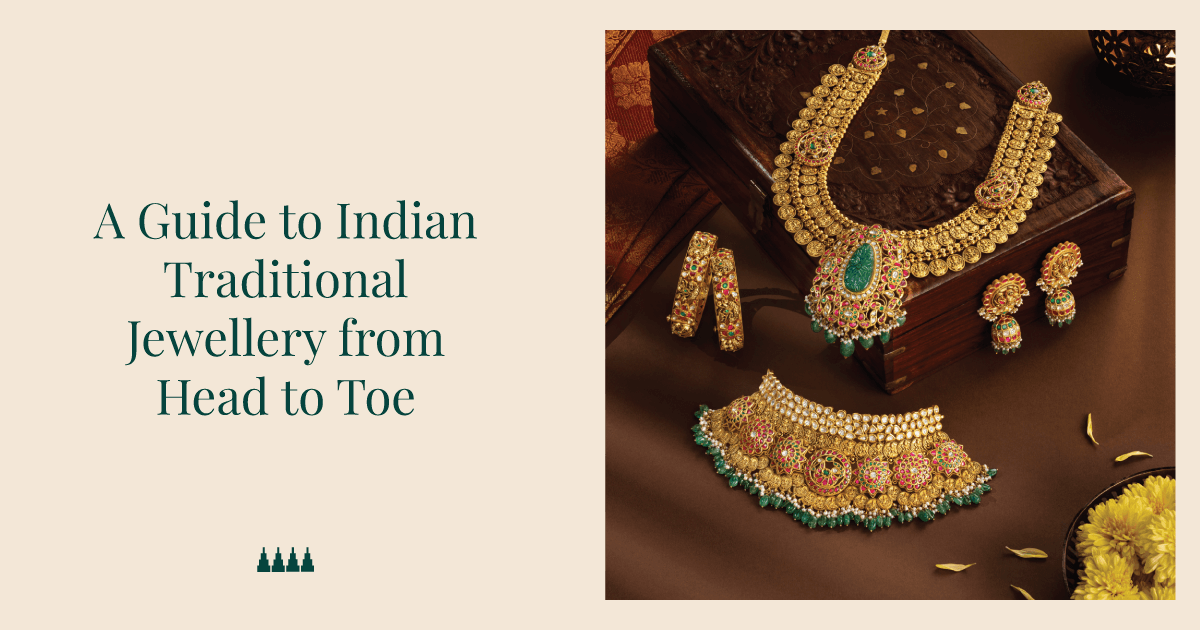
India is home to one of the richest jewellery traditions in the world. Every region, community and occasion has its own ornaments, and each piece carries a story that goes back generations. If you have ever searched for indian jewellery names list with pictures or wondered what a particular ornament worn in a wedding video is called, this guide is built for you.
In this updated and expanded guide, we cover indian traditional jewellery from head to toe, the craftsmanship techniques behind them, regional styles from across the country, and complete bridal jewellery sets. Whether you are a bride to be, a jewellery enthusiast, or simply curious about what different types of jewellery are called, you will find it here.
What Is Traditional Indian Jewellery
Traditional indian jewellery refers to ornaments crafted using techniques, motifs and designs that have been passed down through generations in specific regions or communities of India. Unlike everyday fashion jewellery, these pieces are rooted in cultural, religious and social meaning.
Traditional jewellery in India is worn from the head to the feet. It includes forehead ornaments, hair jewellery, earrings, nose rings, necklaces, bangles, arm ornaments, finger rings, waist belts and anklets. Materials range from gold and silver to precious and semi precious stones, pearls, kundan and polki work.
Beyond decoration, indian jewellery names and styles often signal marital status, religious belief, regional identity and social standing. This is what makes indian jewellery different from ornaments worn purely for fashion.
History and Cultural Significance of Indian Jewellery
The history of traditional jewellery in India goes back thousands of years, with archaeological evidence of ornaments dating to the Indus Valley Civilisation. Over centuries, different dynasties, kingdoms and communities developed their own styles of craftsmanship, shaped by local materials, religious beliefs and artistic influences.
Mughal rule introduced techniques such as kundan and meenakari, while South Indian temples inspired the deity motifs seen in temple jewellery even today. Royal courts in Rajasthan and Gujarat developed elaborate polki and jadau work, and each state eventually built its own distinct visual language of ornamentation.
Jewellery in India has never been just decorative. It has played a role in weddings, childbirth ceremonies, festivals and religious rituals. Married women in many regions wear specific ornaments such as mangalsutra, toe rings or nose rings as a visible marker of their marital status. In several communities, jewellery is also considered a form of financial security for women, passed down as an inheritance from one generation to the next.
Types of Indian Jewellery by Craftsmanship
Before exploring individual pieces, it helps to understand the major craftsmanship styles used across indian jewellery types. These techniques often overlap with the region and occasion a piece is worn for.
1- Kundan Jewellery
Kundan is one of the oldest forms of gemstone setting in India, where refined gold is used to set glass or stones into intricately designed jewellery. It is closely associated with royal Rajasthani and Mughal era craftsmanship and remains a popular choice for bridal jewellery.
2- Polki Jewellery
Polki uses uncut, natural diamonds set in gold, giving the jewellery a raw and antique appearance. It is often paired with kundan work and is a signature style of Rajasthani and Gujarati bridal sets.
3- Jadau Jewellery
Jadau is a traditional technique where gemstones are embedded directly into gold without the use of glue or adhesive. It requires exceptional skill and is closely linked to kundan and polki craftsmanship.
4- Meenakari Jewellery
Meenakari is the art of enamelling metal with vibrant colours, usually seen on the reverse side of kundan and polki jewellery. It originated in Persia and was popularised in India during the Mughal period, especially in Rajasthan.
5- Temple Jewellery
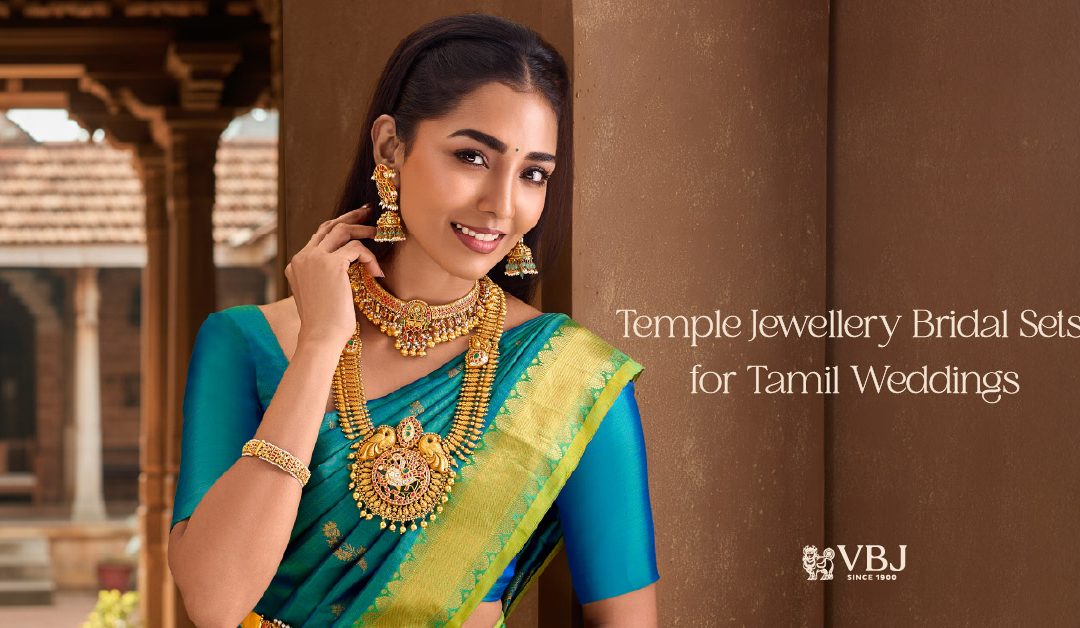
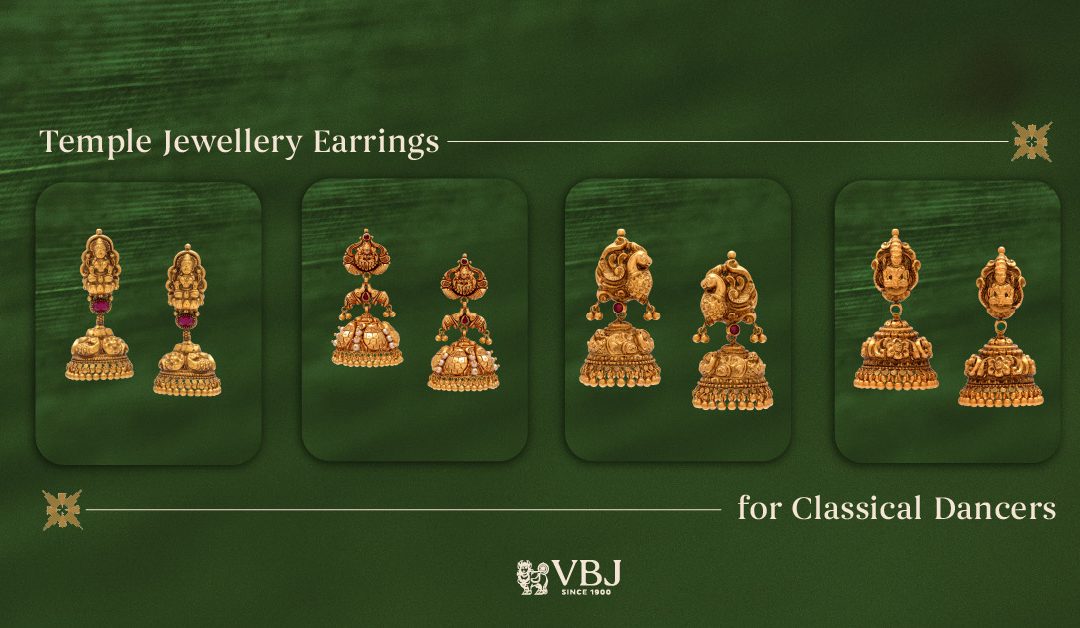
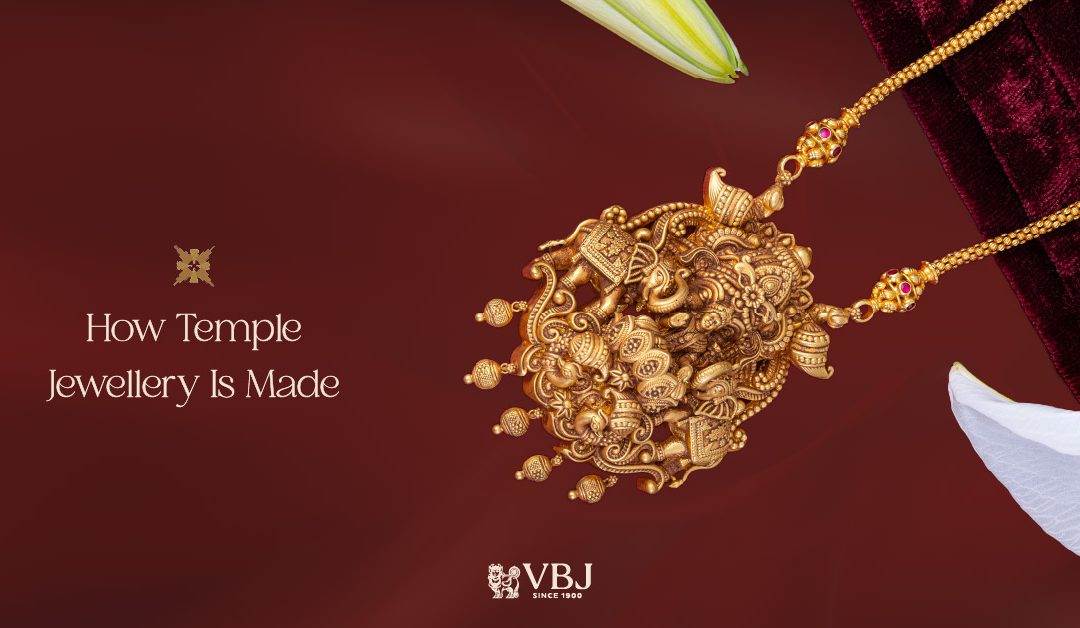
Temple jewellery is a style of ornamentation that originated in South Indian temples, traditionally crafted for adorning deity idols before it became popular as bridal and classical dance jewellery. It typically features motifs of gods, goddesses, peacocks, and lotus flowers, and is made using gold with red and green stones or kemp work.
6- Navratna Jewellery
Navratna jewellery features nine gemstones set together, each representing a celestial body in Vedic astrology. It is worn for its believed astrological and protective benefits.
7- Thewa Jewellery
Thewa is a Rajasthani craft that fuses intricately worked gold sheets onto coloured glass, creating a distinctive layered appearance. It is a specialty of Pratapgarh in Rajasthan.
8- Filigree Jewellery
Filigree work involves twisting fine threads of gold or silver into delicate, lace like patterns. Odisha is particularly known for its silver filigree craftsmanship.
Antique Jewellery Names and Meaning
Antique jewellery refers to pieces designed to look aged, using an oxidised or matte gold finish rather than a bright polish. Common antique jewellery names include antique necklaces, antique jhumkas and antique bangles, all recognisable by their earthy, vintage finish and traditional motifs.
Complete Indian Jewellery Names List With Pictures
Here is a quick reference table covering the major indian jewellery names by category. Detailed descriptions for each piece follow in the next section.
| Category | Jewellery Names | Where It Is Worn | Quick Description |
|---|---|---|---|
| Head | Maang Tikka, Maang Patti, Jhoomar, Passa | Centre parting, forehead, side of the head | Ornaments symbolising marital status and adding a finishing touch to bridal looks |
| Hair | Jadanagam, hair pins, braid ornaments | Braid or bun | Gold hair accessories, especially popular in South India |
| Ears | Jhumka, Chandbali, Bali, Kundal, studs and hoops | Ear lobes | Dangling, crescent shaped or ring shaped earrings in various weights and designs |
| Nose | Nath, Nose Ring, Nose Pin | Nostril or septum | Symbol of beauty and, in some regions, marital status |
| Neck | Haar or Haaram, Choker, Rani Haar, Mangalsutra, Pendant | Neck and chest | Ranges from short chokers to long, layered bridal haars |
| Hands and Arms | Bangles, Kada, Haath Phool, Bajubandh or Vanki | Wrist, hand and upper arm | Rigid or flexible ornaments worn in sets, often with hand harnesses |
| Fingers | Finger Rings | Fingers | Worn for engagements, weddings and everyday styling |
| Waist | Kamarbandh, Oddiyanam, Vaddanam, Tagdi | Waist, over a saree | Decorative belt that accentuates the waistline |
| Feet | Payal or Paizeb, Anklet, Toe Ring or Bichiya | Ankles and toes | Symbolic and decorative ornaments, often worn by married women |
Indian Traditional Jewellery From Head to Toe
Head Jewellery Names and Meanings
1- Maang Tikka
The maang tikka is worn in the centre parting of the hair and is considered essential for Indian bridal looks. It represents a woman’s marital status and the bond between the bride and groom, and is traditionally believed to protect the wearer from the evil eye.
2- Maang Patti
The maang patti is a broad forehead band made of gold and often strung with pearls or stones. It frames the face and is commonly worn by married women during weddings and festive occasions.
3- Jhoomar
The jhoomar is a side head ornament that arrived in India with the Mughals and remains especially popular in Punjab. Worn by brides and young women during festivals, it typically features intricate embroidery and mirror work.
4- Passa
Passa is another forehead and temple ornament worn alongside the maang tikka in some North Indian bridal looks, adding extra coverage and shine along the hairline.
Hair Jewellery and Accessories in Indian Tradition
1- Jadanagam
Jadanagam is a traditional South Indian hair accessory made of gold threads woven into intricate patterns and studded with gemstones. Worn along the braid, it was historically a sign of marital status and social standing, while also serving the practical purpose of keeping hair in place.
Indian hair accessories are not limited to jadanagam. Many South Indian brides also wear gold hairpins in the shape of the sun and moon, along with strings of fresh or artificial flowers, to complete their bridal hairstyle.
Traditional Indian Earrings
Indian earrings come in a wide range of styles, from delicate studs to elaborate chandeliers.
1- Jhumka
Jhumkas are bell shaped dangling earrings and one of the most recognisable types of indian earrings. Designs range from heavy kundan jhumkas to lightweight everyday versions.
2- Chandbali
Chandbalis are crescent moon shaped earrings, often crafted with intricate gold work or studded with kundan and pearls.
3- Bali
Balis are ring shaped earrings, worn daily by women across age groups. Designs range from simple gold or diamond rings to elaborate pieces set with emeralds, rubies or pearls.
4- Kundal
Kundal are curved, hooked earrings that were traditionally worn through the upper ear, often seen in South Indian classical and temple jewellery collections.
5- Studs, Hoops and Drops
From tiny gold or diamond studs to chunky kundan studded hoops, traditional indian earrings offer a style for every occasion, from daily office wear to elaborate wedding functions.
6- Nose Jewellery
The nose ring, known as nath in many parts of India, is one of the oldest forms of indian jewellery, traditionally associated with beauty and womanhood. In South India, an ornate gold or silver nose ring remains a common part of the bridal look. Some regions also favour a smaller nose pin for daily wear, while larger nath designs are reserved for weddings and festive occasions.
Indian Necklace Types and Names
1- Haar or Haaram
The haar or haaram is one of the most iconic pieces of indian bridal jewellery. It is a long, multi strand necklace extending from the neck to the waist, often featuring precious stones, coins and detailed embroidery work. Heavier haars are traditionally considered more prestigious.
2- Choker
Chokers are short necklaces that sit close to the neck. Whether crafted as a simple gold chain or set with emeralds, pearls or diamonds, an indian choker is designed to highlight the collarbone area with poise and elegance.
3- Rani Haar
The rani haar is a long, layered necklace, often worn as a statement piece for weddings and grand celebrations.
4- Mangalsutra
The mangalsutra is a sacred necklace tied during Hindu wedding rituals and worn daily afterward as a symbol of marriage. It typically features black and gold beads with a gold or diamond pendant.
5- Pendant Necklaces
Beyond haars and chokers, layered necklaces and delicate indian pendant designs are also popular for everyday wear. Regional styles vary widely, from long, ornate neckpieces in South India to simpler, lightweight chains in other parts of the country.
Hand and Arm Jewellery
1- Bangles
Made of glass, lac, silver or gold, bangles are worn in sets and are an intrinsic part of Indian women’s attire. Traditionally, indian bangles names and designs differ by region, with some communities favouring thin stacked bangles and others preferring broad, ornate ones.
2- Kada
Kadas are wider, more ornate bracelets compared to bangles, and are often considered auspicious. Kada styles, types and designs vary widely, from simple polished bands to elaborate pieces studded with stones, and they are worn by both men and women.
3- Haath Phool
Haath phool is an ornamental hand harness that connects rings on the fingers to a bracelet at the wrist, covering the back of the hand. It is a popular addition to South Asian bridal looks.
4- Bajubandh or Vanki
Bajubandh, also known as vanki, is an upper arm ornament that accentuates the arms. Designs vary by region, often featuring traditional motifs and gemstones.
Finger Rings in Indian Jewellery Traditions
Finger rings have long been part of Indian jewellery traditions, worn well beyond engagements and weddings. Styles range from simple gold bands for daily wear to elaborate kundan and polki settings for bridal looks, adding a finishing touch to the hands.
Waist Jewellery: Kamarbandh, Oddiyanam and Vaddanam
The kamarbandh, also known as oddiyanam, vaddanam or tagdi depending on the region, is a decorative waist belt worn over a saree or lehenga. Beyond accentuating the waistline, it is believed in many communities to ward off negative energy and bring good fortune in married life. South Indian brides in particular wear an elaborate vaddanam as a central part of their bridal look.
Foot Jewellery
1- Payal or Anklet
Payals, also called paizeb, have added rhythm to Indian classical dance for centuries with their tinkling bells. Designs range from delicate gold bells to heavier silver anklets studded with stones. In several regions, gifting a new payal to the bride during her henna ceremony remains a common tradition.
2- Toe Ring
Known as bichiya or bichwa, the toe ring is traditionally worn by married women on the second toe, most commonly crafted in silver. In South Indian weddings, the bride wears an ornate toe ring as part of the wedding rituals, and beyond its decorative value, it is believed to protect the wearer from negative energy.
Regional Traditional Jewellery Styles Across India
Indian traditional jewellery is not one single style. It changes significantly from state to state, shaped by local craftsmanship, climate, textiles and customs.
1- South Indian Traditional Jewellery
South Indian jewellery is known for temple jewellery, jadanagam hair ornaments, vaddanam waist belts, and long gold haarams paired with Kanjeevaram sarees. Motifs of deities, peacocks and lotus flowers are common, and kemp stones in red and green are widely used.
2- Rajasthani Jewellery
Rajasthani jewellery is famous for kundan, polki, meenakari and thewa work. Traditional rajasthani jewellery names include borla, timaniyan, rakhdi and bajuband, often crafted in bold, colourful designs that reflect royal Rajputana heritage.
2- Punjabi Traditional Jewellery
Punjabi jewellery is recognised for the jhoomar, paranda and choora, along with heavy kundan sets. The jhoomar, in particular, remains closely associated with Punjabi bridal style, worn to one side of the head with elaborate mirror work.
3- Traditional Gujarati Jewellery
Gujarati jewellery favours vibrant, layered pieces such as the long necklace known as the hansdi, along with bajuband and colourful meenakari work, often paired with bandhani and mirror work textiles.
4- Maharashtrian Jewellery
Maharashtrian jewellery is distinguished by the nath, a distinctive pearl studded nose ring, along with the thushi necklace and the mundavalya worn on the forehead during weddings. Green bangles are traditionally paired with Maharashtrian bridal looks.
5- Bengali Jewellery
Bengali bridal jewellery is known for the elaborate gold mukut headpiece, shakha pola bangles made of shell and coral, and the chik necklace, all combined to create a distinctive bridal look rooted in Bengali tradition.
6- Kashmiri Jewellery
Kashmiri jewellery includes the dejhoor, a symbolic earring tied to marital status, along with elaborate gold and silver work influenced by Central Asian and Mughal aesthetics.
Bridal Jewellery Names and Complete Set List
Indian wedding jewellery typically involves several coordinated pieces rather than a single ornament. A complete indian bridal jewellery list generally includes:
- Maang tikka or passa for the forehead
- Jhoomar or maang patti, depending on the region
- Jhumka or chandbali earrings, often with ear chains for support
- Nath or nose ring
- Haar or haaram as the primary necklace, along with a choker or rani haar
- Mangalsutra, tied during the wedding ceremony
- Bangles or kada, usually in sets
- Haath phool connecting rings to a bracelet
- Bajubandh or vanki for the upper arm
- Vaddanam or kamarbandh for the waist
- Payal or anklets
- Toe rings, worn after the wedding rituals
The exact combination varies by region and community, and brides often mix contemporary pieces with traditional ones to suit their personal style.
How to Choose Traditional Jewellery for Different Occasions
Not every occasion calls for the same level of ornamentation. For daily wear, lightweight chains, small studs and a simple bangle or two are practical choices. For festive occasions such as Diwali or Navratri, mid weight necklaces, jhumkas and bangles strike a good balance between elegance and comfort. For weddings and receptions, brides typically opt for a full set, including a haar, jhumkas, maang tikka, bangles and a vaddanam, to match the significance of the occasion.
When choosing traditional jewellery, it also helps to consider the outfit. Heavier gold and kundan pieces pair well with silk sarees and lehengas, while lighter, more delicate designs work better with everyday cotton or casual wear.
Why Choose VBJ for Traditional South Indian Jewellery
Vummidi Bangaru Jewellers, known as VBJ, is a trusted destination for head to toe traditional jewellery. VBJ offers a wide selection across gold, diamond, silver and platinum, along with an extensive range of South Indian temple jewellery, regional bridal sets and contemporary designs.
Whether you are shopping for a wedding, a festival, or an everyday piece, VBJ brings together craftsmanship, quality and a wide selection under one roof.
Conclusion
Indian traditional jewellery is far more than decoration. From the maang tikka on the forehead to the toe ring on the feet, every piece carries meaning tied to marital status, religion, region and social identity. Understanding these types of indian jewellery names, their significance and the regional styles behind them makes it easier to appreciate, and choose, the right pieces for your own celebrations.
Whether you are a bride to be planning your wedding jewellery or simply someone who loves exploring Indian heritage, VBJ offers a wide collection to help you find timeless, meaningful pieces for every occasion.
FAQs
What is the history of traditional jewellery in India?
The history of traditional jewellery in India dates back thousands of years, with pieces worn since the Indus Valley Civilisation for their aesthetic, cultural and religious significance. Different regions developed distinct styles over centuries, shaped by local craftsmanship and beliefs.
What is the name of the Indian jewellery worn on the head?
The most common head jewellery pieces are the maang tikka, maang patti and jhoomar. These ornaments hold cultural significance and are worn to accentuate the beauty of the wearer, especially during weddings.
What is maang tikka called in English?
There is no exact English equivalent for maang tikka. It is often described as a forehead ornament or hair parting jewellery, worn in the centre parting to symbolise marital status.
What is temple jewellery?
Temple jewellery is a South Indian style of jewellery originally crafted for temple deities, featuring motifs of gods, goddesses, peacocks and lotus flowers. It is widely worn today for weddings and classical dance performances.
What is the difference between antique and temple jewellery?
Temple jewellery specifically features deity and religious motifs, while antique jewellery refers more broadly to any design finished with an oxidised, matte look to resemble heirloom pieces, regardless of the motif used.
What are the characteristics of Indian jewellery?
Indian jewellery is highly crafted, featuring delicate designs, intricate stone work and symbolic motifs. It is made from gold, silver, and precious or semi precious stones, with designs that vary significantly by region and carry deep cultural meaning tied to rituals and identity.
What are the main types of jewellery in India from head to toe?
Traditional Indian jewellery includes maang tikka for the forehead, hair ornaments, earrings, nose rings, necklaces, bangles, arm jewellery, finger rings, waist belts and anklets, with each piece varying by region and occasion.
What are the different types of necklace styles in Indian jewellery?
Indian necklace styles include chokers, layered necklaces, long haars, rani haars, and the mangalsutra. Popular craftsmanship styles include kundan, polki and temple jewellery, alongside regional variations from Rajasthan, Punjab and South India.
Which traditional jewellery pieces are worn on hands and arms?
Hand and arm jewellery includes bangles, kadas, haath phool and bajubandh or vanki armlets. Designs vary widely by region, from simple gold kadas to elaborately stone studded pieces.
What foot jewellery is part of traditional Indian jewellery collections?
Foot jewellery includes payal or anklets and toe rings, known as bichiya. These pieces are central to Indian bridal wear, with anklets often featuring bells and toe rings traditionally symbolising marital status.
0 Comments