 Store Locator


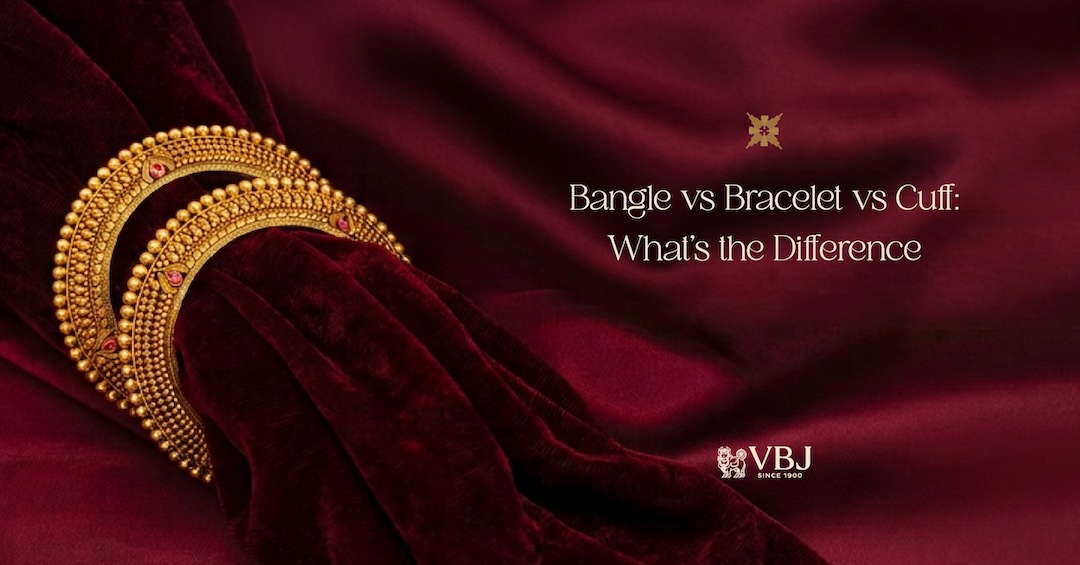
When it comes to jewellery, the smallest details can make a significant difference to the overall look. A stack of gold bangles can bring a traditional outfit together, a delicate bracelet can add a subtle finishing touch to everyday dressing, and a sculptural cuff can become the statement piece of an otherwise simple ensemble.
Although these three styles are often grouped together, they differ in their construction, fit and appearance. Understanding the distinction between a bangle and bracelet, and knowing where a cuff fits into the picture, can help you choose jewellery that suits your personal style, wardrobe and occasion.
The terms can sometimes overlap in everyday retail language. A bangle is a specific type of wrist ornament, while a bracelet is a broader category that can include several designs. A cuff is generally recognised by its open-ended construction.
So, what exactly is the difference between a bangle, a bracelet and a cuff? Here’s a closer look at each style, what makes it distinctive and how to choose the right one.
What Is a Bangle?
A bangle is a rigid piece of jewellery that typically forms a complete circle or oval around the wrist. Unlike a flexible chain bracelet, it maintains its shape and is traditionally worn by sliding it over the hand. Some designs feature a hinge or opening mechanism, allowing the bangle to open and close around the wrist.
Bangles have a particularly strong presence in Indian jewellery traditions. They are worn across regions, communities and generations, with different materials, motifs and styles associated with everyday dressing, weddings and festive occasions.
Gold bangles, for instance, range from simple, polished designs to intricately detailed pieces featuring traditional motifs, gemstones and decorative finishes. Silver bangles offer their own range of styles, from understated everyday designs to more elaborate statement pieces.
Key Characteristics of Bangles
Rigid structure: A traditional bangle holds its circular or oval shape rather than draping around the wrist.
Slip-on or hinged construction: Closed bangles generally need to pass over the hand, while hinged designs can open for easier wear.
Stacking potential: Bangles can be worn individually or in multiples, creating combinations that range from minimal to elaborate.
Traditional and contemporary appeal: While bangles are deeply rooted in Indian jewellery traditions, modern designs also pair well with Western outfits, workwear and contemporary occasionwear.
When Should You Wear Bangles?
Bangles are a versatile choice when you want your wrist jewellery to have a defined shape and presence. A single gold bangle can complement a simple kurta or office outfit, while a coordinated set can complete the look of a silk saree or festive ensemble.
For a contemporary approach, try wearing a single statement bangle with a minimalist outfit. Alternatively, combine bangles of different widths or finishes for a layered look, provided the pieces sit comfortably together.
What Is a Bracelet?
A bracelet is a piece of jewellery worn around the wrist. The term covers a wide variety of designs, including flexible chains, linked metal pieces, gemstone-set styles, beaded designs and charm bracelets.
In everyday shopping conversations, a bracelet often refers to a flexible design that follows the shape of the wrist and is secured with a clasp or another fastening mechanism. Unlike a traditional rigid bangle, a flexible bracelet generally moves more freely and can be sized according to the wrist.
Bracelets can be delicate and understated or elaborate and decorative. Their versatility makes them suitable for everyday wear, work, casual outings, festive occasions and formal events.
Key Characteristics of Bracelets
Flexible construction: Many bracelets are made from chains, links, beads or other materials that allow them to move with the wrist.
Fastening mechanism: Chain bracelets commonly use clasps, although some designs use elastic, adjustable cords or other closures.
Variety of styles: Popular options include chain bracelets, tennis bracelets, charm bracelets and gemstone bracelets.
Versatile styling: Bracelets can be worn alone for a subtle look or layered with a watch, other bracelets or suitable bangles.
When Should You Wear Bracelets?
Bracelets are a practical choice when you want jewellery that adapts easily to different outfits and occasions.
A fine gold chain bracelet can add a subtle detail to everyday dressing. A diamond or gemstone bracelet can complement eveningwear, while a charm bracelet allows you to create a more personal look through meaningful motifs and decorative elements.
Bracelets are also useful for layering. A delicate chain bracelet can sit alongside a watch, or several complementary styles can be combined to create a more individual look.
When layering, consider the weight and construction of each piece. Designs with sharp edges or exposed settings can scratch or damage neighbouring jewellery if they rub against one another.
What Is a Cuff?
A cuff is a type of wrist jewellery characterised by an open-ended design. Unlike a traditional closed bangle, it has a gap that allows it to be placed onto the wrist from the side.
Cuffs can be narrow and understated or broad and sculptural. Some feature smooth, polished metal surfaces, while others incorporate intricate detailing, gemstones, engraved patterns or decorative motifs.
Although cuffs are often associated with contemporary fashion, the basic form has appeared in jewellery traditions across different cultures. Today, it offers a distinctive alternative to both conventional bangles and flexible bracelets.
Key Characteristics of Cuffs
Open-ended design: The gap allows the cuff to slide onto the wrist from the side.
Structured shape: Many cuffs maintain a relatively rigid or semi-rigid form rather than draping like a chain bracelet.
Distinctive silhouette: Their shape makes cuffs particularly suitable for statement styling.
Different widths and finishes: Cuffs may be slim and minimal or wide and elaborate, depending on the design.
Not every cuff is designed to be adjusted by bending. Repeatedly forcing a metal cuff open or closed can damage its structure, so it is best to follow the manufacturer’s fitting guidance.
When Should You Wear Cuffs?
Cuffs are particularly effective when you want one piece of jewellery to stand out.
A broad gold cuff can complement a sleeveless outfit or a clean, contemporary silhouette. A slimmer cuff can be worn with formal attire, while an intricately detailed design may work well for festive dressing.
Because cuffs often have a strong shape, they can look striking when worn alone. If you choose to layer one with other wrist jewellery, consider its width and the space it needs to sit comfortably.
How to Choose Between a Bangle, Bracelet and Cuff
The right choice depends on your wardrobe, personal preferences, comfort and the occasions for which you plan to wear the jewellery.
1. Consider Your Everyday Style
If you prefer traditional Indian jewellery, bangles may be a natural starting point. Their structured shape and stacking potential work particularly well with kurtas, sarees and other traditional outfits.
If you lean towards understated accessories, a delicate bracelet can add a subtle finishing touch to workwear, casual outfits and evening looks.
If your style is more contemporary and you enjoy accessories with a strong silhouette, a cuff may be worth considering. A simple cuff can add definition to a minimal outfit without requiring several other accessories.
2. Think About the Occasion
Different occasions may call for different kinds of wrist jewellery.
For weddings and festivals, a set of gold bangles can complement traditional clothing and coordinate with other jewellery. For everyday workwear, a fine bracelet or a single lightweight bangle may feel more practical. For a dinner or special event, a statement cuff or gemstone bracelet can become the focal point of your accessories.
These are styling suggestions rather than strict rules. The best choice is the one that complements your outfit and feels appropriate for the occasion.
3. Pay Attention to Fit
Fit is especially important because each type of wrist jewellery is worn differently.
A closed, slip-on bangle must pass over the widest part of the hand, so hand measurements matter as much as wrist measurements. Hinged bangles may be sized differently depending on their closure.
Flexible bracelets are generally measured around the wrist, with enough allowance for comfortable movement. Cuffs need an opening and shape that suit the wrist without pinching or slipping excessively.
When purchasing jewellery online, check the sizing information provided for the particular design. If you are unsure, seek assistance before making your selection.
4. Consider Weight and Comfort
The visual size of a piece does not always indicate how heavy it will feel. A broad cuff, a rigid bangle and a delicate chain bracelet can each have very different weights depending on their construction and materials.
If you plan to wear the jewellery for long periods, consider how it feels when typing, writing, driving or carrying out everyday activities. Check for sharp edges, uncomfortable pressure points and clasps that may catch on clothing.
5. Think About How You Will Style It
Consider whether you want the piece to work on its own or as part of a larger combination.
Bangles lend themselves naturally to stacking, while bracelets can add contrast through their flexible shapes and decorative details. Cuffs often work particularly well as standalone statement pieces, although slimmer designs can also be layered.
You can combine different styles for a more individual look. For example, a simple gold bangle can sit alongside a delicate chain bracelet, while a narrow cuff can add contrast to a coordinated stack.
The key is to balance proportions and avoid overcrowding the wrist.
Can You Wear Bangles, Bracelets and Cuffs Together?
Yes. Combining different forms of wrist jewellery can create a layered look that feels more personal than wearing matching pieces alone.
The trick is to introduce contrast while maintaining some visual connection between the pieces.
Mix Different Textures
Pair a smooth gold bangle with a fine chain bracelet, or combine a polished cuff with a more intricately detailed piece. Differences in texture help each design stand out.
Balance Width and Proportion
If you are wearing a broad cuff, consider keeping the remaining pieces relatively slim. If you prefer several bangles, you may choose a delicate bracelet to add a different texture without overwhelming the combination.
Coordinate the Finish
Pieces in the same metal colour can create a cohesive look, particularly when their finishes or motifs complement one another. You can also mix metal colours deliberately for a more contemporary effect.
Keep Comfort in Mind
Jewellery should sit comfortably together without pinching the skin or repeatedly knocking against other pieces. Avoid combinations that cause stone settings to rub against one another, and remove jewellery if it restricts your movement.
How to Care for Bangles, Bracelets and Cuffs
Different designs may require different care depending on their metal, finish, gemstones and construction. However, a few simple habits can help preserve the appearance of your jewellery.
Store Pieces Separately
Keep bangles, bracelets and cuffs in individual compartments or soft pouches where possible. This helps minimise scratches and prevents delicate chains from tangling with other pieces.
Handle Fastenings Carefully
Check bracelet clasps, hinged bangle closures and other moving components regularly. If a fastening feels loose or does not close securely, have it inspected before wearing the piece again.
Protect Delicate Details
Avoid knocking jewellery against hard surfaces, particularly when it features gemstones, intricate detailing or delicate links. Remove jewellery before activities that could expose it to impact or unnecessary wear.
Follow Appropriate Cleaning Instructions
Use a soft cloth for routine care and follow guidance suited to the particular metal and finish. Avoid assuming that every piece can be cleaned with the same solution, especially when it contains gemstones, pearls or other delicate materials.
Find Your Wristwear Style with VBJ
Bangles, bracelets and cuffs each bring a different character to jewellery styling. Bangles offer a structured silhouette with a strong connection to Indian jewellery traditions. Bracelets provide flexibility and versatility, while cuffs introduce a distinctive shape that can make a statement on its own.
At Vummidi Bangaru Jewellers (VBJ), a heritage dating back to 1900 reflects a continuing appreciation for jewellery, craftsmanship and evolving personal style. Whether you are drawn to traditional bangles, delicate bracelets or contemporary wristwear, understanding the differences can help you choose pieces that complement your wardrobe and the way you like to dress.
The most suitable piece is not necessarily the most elaborate one. It is the one that feels comfortable, works with your style and is versatile enough to become a part of your jewellery collection.
Frequently Asked Questions
1. What is the difference between a bangle and bracelet?
A traditional bangle is generally rigid and circular or oval, while a bracelet often refers to a flexible design made from chains, links or other materials. Bangles are usually slipped over the hand or opened with a hinge, whereas many bracelets fasten around the wrist with a clasp. In the broader sense, a bangle is also a type of bracelet.
2. What is the difference between a bangle, bracelet and cuff?
A bangle is typically a rigid, closed circular or oval design. A bracelet often refers to a flexible wrist ornament, such as a chain or tennis bracelet. A cuff is usually a rigid or semi-rigid design with an opening that allows it to slide onto the wrist from the side.
3. Is a bangle considered a bracelet?
Yes. Bracelet is a broad term for jewellery worn around the wrist, and bangles fall within that category. In everyday retail language, however, bangles are generally used for a rigid, structured design, while a bracelet often refers to a flexible style.
4. Which is better for everyday wear: a bangle or bracelet?
Both can work well for everyday wear. A simple bangle offers a structured look, while a flexible bracelet may move more naturally with the wrist. The better choice depends on the design, weight, fit, fastening and the activities you carry out during the day.
5. Are cuffs more comfortable than bangles?
Not necessarily. Comfort depends on the cuff’s opening, shape, width and weight, as well as the bangle’s fit and construction. A well-fitted design should sit comfortably without pinching, slipping excessively or restricting movement.
6. How do I know what size bangle to buy?
For a traditional closed bangle, measure the widest part of your hand with your fingers and thumb positioned as they would be when putting the bangle on. The bangle must pass over this area while sitting comfortably on the wrist. Hinged designs may require different measurements, so check the specific sizing guidance before purchasing.
7. Can I wear a cuff with a watch or bracelet?
Yes, provided the pieces fit comfortably together. Consider their widths, finishes and how they move against one another. Avoid combinations that cause metal edges or gemstone settings to rub together and scratch the jewellery.
8. Which is better for stacking: bangles, bracelets or cuffs?
Bangles and flexible bracelets are both popular choices for stacking. Slim cuffs can also add contrast to a layered look. You can combine all three, provided the proportions work together and the pieces remain comfortable without damaging one another.
9. Can bangles and bracelets be worn with Western outfits?
Absolutely. A single gold bangle, a fine chain bracelet or a contemporary cuff can complement Western clothing, from workwear to evening outfits. Choosing the right scale and finish helps the jewellery work naturally with the overall look.

0 Comments